


1. Clear Out the Thatch "Suffocation" Layer
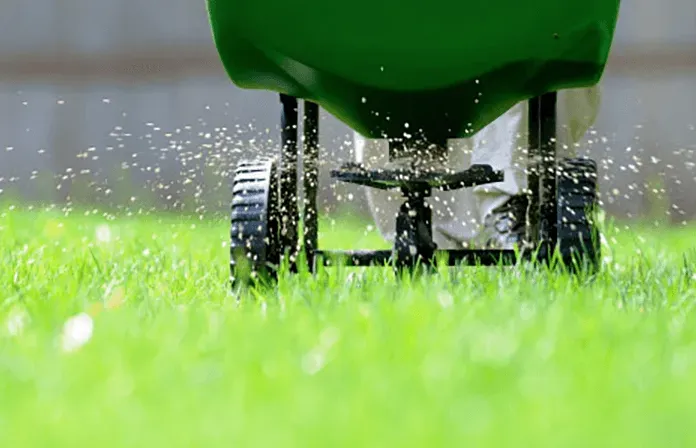
Before you dump fertilizer or water on your grass, you have to make sure those nutrients can actually reach the roots. This starts with checking your lawn’s thatch—the dense layer of dead grass clippings, roots, and organic debris trapped between your green blades and the soil surface.
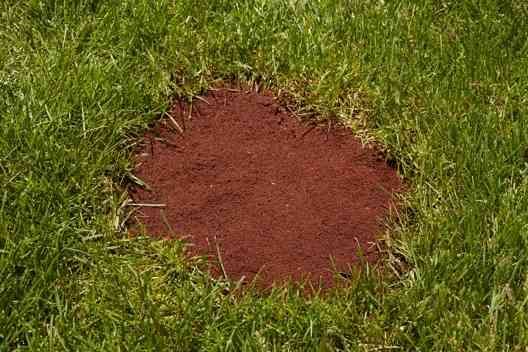
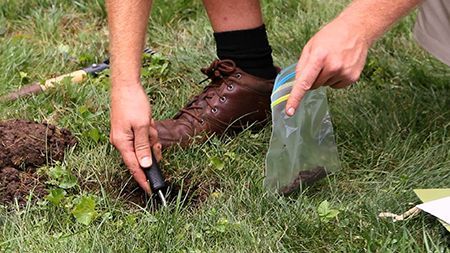
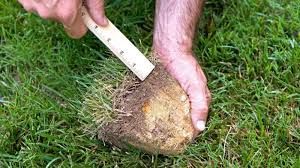
To test it, dig up a small, few-inch-deep wedge of your yard. If that spongy brown layer of thatch is over a half-inch thick, it’s actively suffocating your lawn by blocking water, air, and fertilizer.
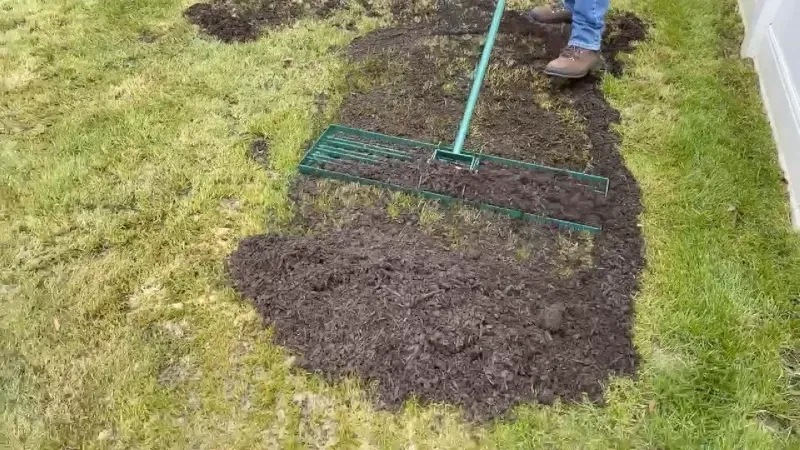
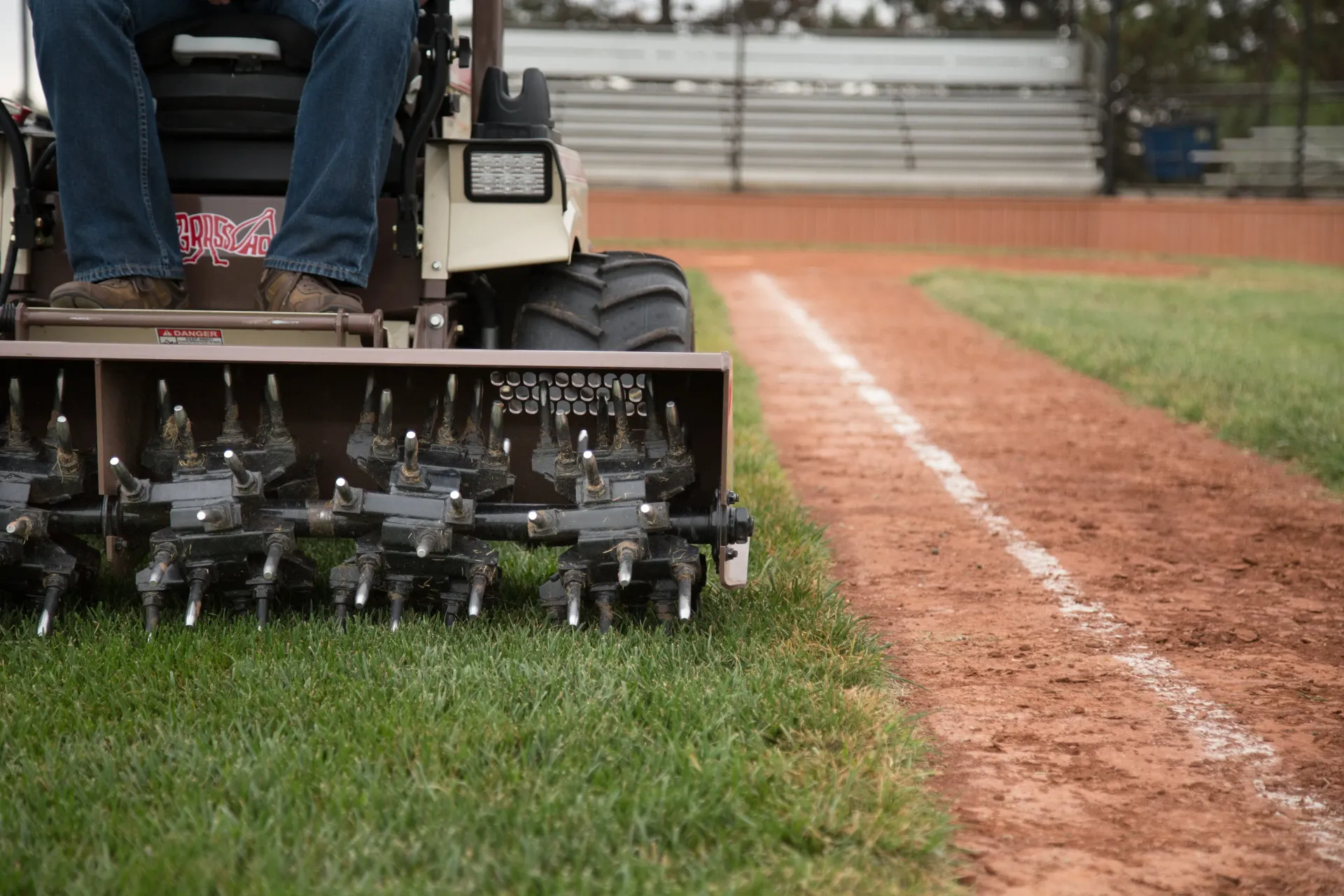
How to fix it: For small patches, a heavy-duty manual thatch rake works. But if you have a sprawling yard, you need to save your back and use a mechanical dethatcher or vertical mower to slice through the debris and pull it to the surface.
Best Time: Early spring or early fall when the lawn is actively growing and can recover quickly.
🔗 Planning your seasonal maintenance checklist? Check out our complete guide to Spring Evolution Lawn Maintenance to prep your equipment for the job.